
En Inglés
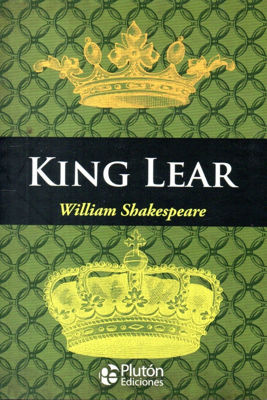
King Lear / William Shakespeare - Edición En Inglés
King Lear was written between 1605 and 1606 by William Shakespeare (1564-1616). The tragedy tells the tale of Lear, the King of Britain as he decides to retire and divide his kingdom between his three daughters, Goneril, Regan and Cordelia, depending on the amount of love and devotion they profess to him. This decision throws the kingdom into disarray, envelops the court in political intrigue and drives Lear mad out of despair. Like many of Shakespeare's works, King Lear draws inspiration from historical figures of England and Europe's past, adapted to more contemporary situations. The play remains to this day a very important part of Shakespeare's repertoire in popular culture
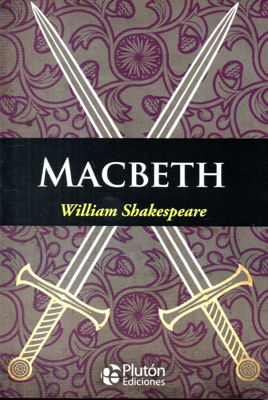
Macbeth / William Shakespeare - Edición En Ingles
“Macbeth” is one of William Shakespeare’s (1564-1616) most famous and important tragedies. It was written before 1606, the year of its first performance, and was somewhat inspired on the historical accounts of the life of Macbeth, King of Scotland. The play weaves a tale of betrayal, murder and treachery while searching for power, as its protagonist kills and lies his way to the throne of his country. “Macbeth” shares the cultural significance of many of Shakespeare’s works and is an integral part of contemporary theatre and cinema.
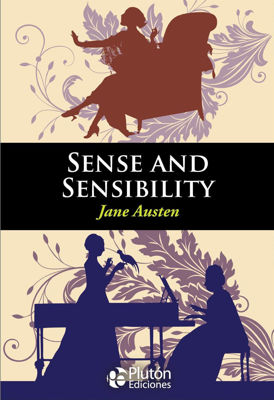
Sense And Sensibility / Jane Austen
Sense and Sensibility is perhaps one of the most famous novels by English writer Jane Austen (1775 -1817), along with the equally famous and important Pride and Prejudice. Through the contrast of the characters of two sisters, one all reasoning and judgment (sense) and the other all passion, emotion and romanticism (sensibility), as well as the vicissitudes of their loves and personal relationships, the author presents us with a thorough painting of the society of her time. Their reactions, sorrows and joys, in which the triumph of love is always present, with a very modern conception of the subject, overcoming obstacles and problems, with a subtle irony and humour that make reading the novel much more enjoyable and delightful.

Horror Stories / Edgar Allan Poe
Edgar Allan Poe (1809-1849) was an American writer and poet and one of the most preeminent figures of Gothic Literature. He is widely recognized as a master of the short story form, but also delved into poetry, essays and literary criticism. His work often revolved around dark and macabre themes, using death and the human mind’s deepest fears to craft complex stories about a vast array of subjects. The short stories selected in this volume are but an example of Edgar Allan Poe’s use of fear and mystery as a literary device for creating dark and immortal tales, and a continued statement of the author’s influential contribution to literature and pop culture.
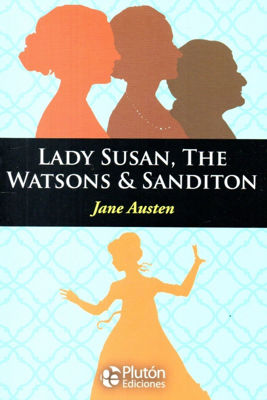
Lady Susan, The Watsons & Sanditon / Jane Austen
This volume includes the lesser-known works of English writer Jane Austen (1775-1817). The first, a short epistolary novel, “Lady Susan” (1871), was published long after the death of its author, and may have been one of her first complete writings addressing the themes and styles that began to characterize her literary work. The second, “The Watsons” (1804), an unfinished novel famous for the attempts of many writers to finish it, including Austen's niece, Catherine Hubback, who finished it and published it with another title in the mid-19th century. The third and last of these novels, the also unfinished “Sanditon” (1817), continues the author's search for stories and situations that help her examine the society of the England of her time, conservative and impenetrable.
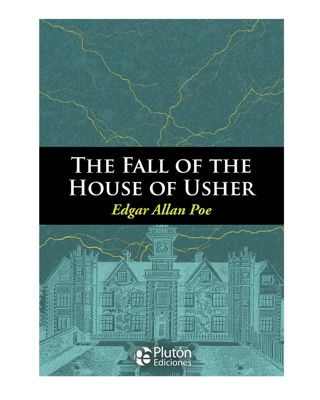
The Fall Of The House Of Usher And Other Stories / Edgar Allan Poe
Edgar Allan Poe (1809-1849) was an American writer and poet and one of the most dominant figures of Gothic Literature. He is widely recognized as a master of the short story form, but also delved into poetry, essays and literary criticism. His work often revolved around dark and macabre themes, using death and the human mind’s deepest fears to craft complex stories about a vast array of subjects. The Fall of the House of Usher is a psychological thriller that narrates the descent into oblivion of the last remaining survivors of an old family. The other stories part of this compilation also show us the strengths of Poe as an author, capable of crafting horror out of every aspect of the human experience.
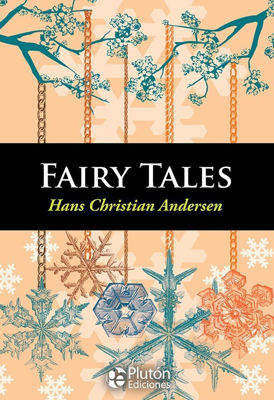
Fairy Tales / Hans Christian Andersen
Hans Christian Andersen (1805-1875) was a Danish writer and poet known today especially for his short stories and “Fairy Tales”. As a young man, he started writing the stories he heard as a child, slowly developing the characteristic dark humour and surprising twists and turns of his most famous works. The cultural impact of Andersen’s “Fairy Tales” is truly incommensurable. This volume contains The Emperor’s New Clothes, The Snow Queen and The Red Shoes, just to name a few of the 18 stories out of the hundreds he produced during his lifetime.
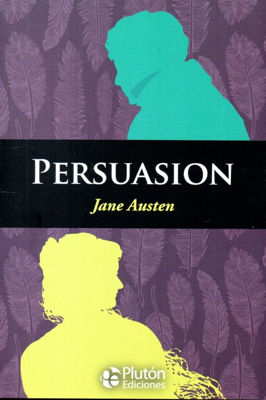
Persuasion / Jane Austen - En Inglés
The last novel by English novelist Jane Austen (1775 1817), completed just months before her death and published posthumously that same year. In Persuasion, Austen presents the story of Anne Elliot and her reunion with an old love, Frederick Wentworth, years after their engagement ended by fear and family pressure. The writer explores the issues of women's role in English society in the early 19th century, the persuasion and social pressure they constantly endure, without losing her characteristic caustic and ironic style of social criticism.
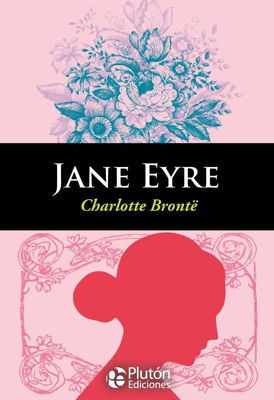
Jane Eyre / Charlotte Brontë - En Inglés
“Jane Eyre” was the first novel of English writer and poet Charlotte Brontë (1816-1855). The novel narrates the life of Jane Eyre, the titular character, and her emotional journey to womanhood as a governess in Thornfield Hall. Charlotte Brontë used the story of Jane Eyre as a canvas for emotional discovery and spiritual sensibility, reaching depths previously reserved almost exclusively for poetry. To this day it remains the most important and recognized work of Charlotte Brontë and one of the most famous novels in the English language.
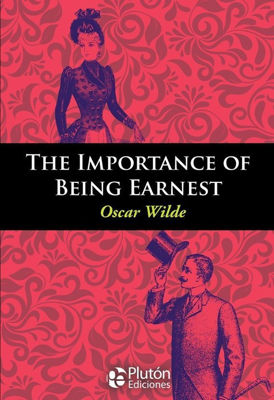
The Importance Of Being Earnest / Oscar Wilde
“The Importance of Being Earnest” is a comedic play, written by the celebrated Irish author Oscar Wilde (1854-1900). The play is a satirical representation of Victorian society and the lengths a group of friends would go to avoid social responsibilities and obligations. Wilde always had a way with words but “The Importance of Being Earnest” shows us an author on top of his game, where every witty remark was perfectly crafted, where every turn of phrase was just right and ripe with comedic timing. Among all of his plays, “The Importance of Being Earnest” remains a truly timeless classic and his most famous work for the stage.
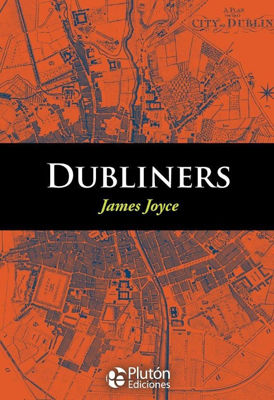
Dubliners / James Joyce
“Dubliners” is a collection of short stories written by Irish author James Joyce (1882-1941) and published in 1914. “Dubliners” was conceived during a very complex time for Ireland and Irish nationalism and Joyce used these 15 stories to stage a sort of moral chapter of Ireland’s history as a way of proposing change, by subverting the stagnation of his countrymen. “Dubliners” offers a look into the city’s everyday life; into the routines of the people affected by the winds of change in the political landscape and public opinion. It shows us how far reaching is the power of new ideas, without becoming a political pamphlet or propaganda.
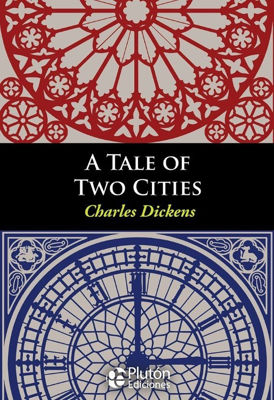
A Tale Of Two Cities / Charles Dickens
“A Tale of Two Cities” was written by English author Charles Dickens (1812-1870) in 1859. The book stands out not only for being one of Dickens’ most accomplished and famous works, but also because it was one of the few historical fiction novels he ever wrote. The book narrates the dawn of the French Revolution in the 18th Century, alternating the action between London and Paris, as a way of contrasting the social turmoil produced by the impending conflict. As the majority of the author’s work the novel transcended literary form and has been adapted to various media forms proving to many generations the appeal of Dickens and his stories.
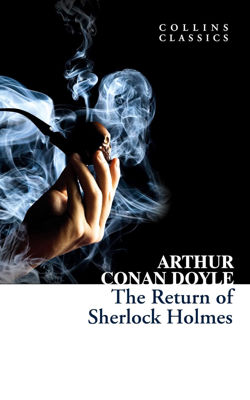
The Return of Sherlock Holmes / Arthur Conan Doyle
Originally published in 1903–1904, The Return of Sherlock Holmes is the thirteen-story collection of one of the greatest-ever fictional detectives. Three years after the supposed death of Sherlock Holmes and his archenemy Professor Moriarty in the torrent of Reichenbach Falls, Holmes makes a disguised reappearance to Baker Street and his good friend Dr Watson. Featuring one of Holmes’ greatest adversaries, Charles Augustus Milverton, as well as trademark astute logic, forensic science, murder, crytograms and magic, this collection retains all the hallmark brilliance of Arthur Conan Doyle’s best work.