
LITERATURA UNIVERSAL
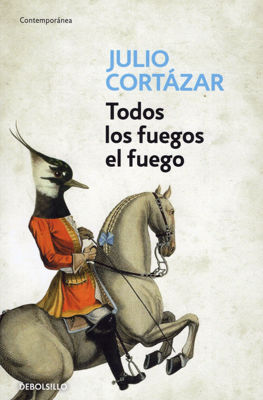
TODOS LOS FUEGOS EL FUEGO / JULIO CORTÁZAR
Todos los fuegos el fuego (1966) ofrece ocho muestras rotundas de la plenitud creadora que alcanzan los cuentos de Cortázar. Desde la exasperada metáfora de las relaciones humanas que es "La autopista del sur" hasta la maestría de "El otro cielo", Cortázar vuelve a abrir nuevos caminos con relatos que son referencia obligada para sus lectores y para los amantes del cuento en general. Una fiesta de inteligencia, de pasión y genio.

TODOS LOS CUENTOS / RAYMOND CARVER
Raymond Carver alcanzó el éxito gracias a un puñado de volúmenes de relatos publicados en los últimos doce años de su vida. Su carrera fue breve debido a su temprana muerte. Sin embargo, su obra posee una intensidad sin parangón y ha dejado una huella indeleble; su influencia se ha extendido por todo el mundo. Fue, junto con Richard Ford y Tobias Wolff, el máximo exponente de lo que se bautizó como «realismo sucio». En sus cuentos, lacónicos, precisos, de una contenida intensidad emocional, transforma la vida en literatura siguiendo la estela de Hemingway y sobre todo de Chéjov, su gran maestro. De él aprendió a retratar con profunda humanidad a esos seres desamparados y desolados, golpeados por la vida, a los que convierte en héroes cotidianos: parejas al borde de la disolución, hijos que tratan de comunicarse con sus padres, alcohólicos en busca de una segunda oportunidad, parados, gente corriente de la América más profunda y real. Sus cuentos forman una elusiva y fragmentaria «gran novela americana». Y es que en Carver está la esencia de la verdadera América –doméstica, desquiciada, perpleja-, y sobre todo la esencia del alma humana retratada a través de una mirada que rechaza cualquier exceso sentimental, pero que, guiada por un depurado estilo, nos hiere directamente en el corazón como sólo es capaz de hacer la gran literatura.
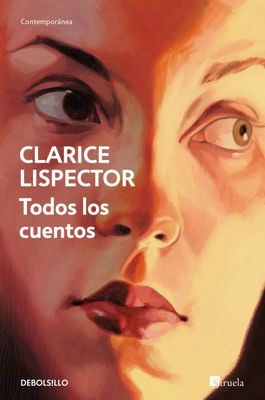
TODOS LOS CUENTOS / CLARICE LISPECTOR
Este volumen reúne toda la narrativa breve de la autora que insufló vida a las inquietudes universales de la existencia cotidiana o los eternos interrogantes de la condición del ser humano. Autora de brillantes y personalísimos relatos que figuran entre los más emblemáticos de la literatura brasileña, Clarice Lispector está unánimemente considerada como una de las más importantes voces del siglo XX. Su figura y su legado irradian hoy en día el mismo magnetismo que ha conseguido cautivar a los lectores de todo el mundo desde que apareciera publicado su primer libro.
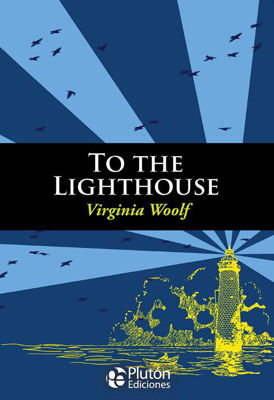
To The Lighthouse / Virginia Woolf - Edicion Ingles
“To the Lighthouse” is the fifth novel by English modernist writer Virginia Woolf (1882-1941). Published in 1927, the novel narrates the visits of the Ramsay family to the Isle of Skye in Scotland between 1910 and 1920. The story follows the tradition of modernist literature, focusing on philosophical introspection and stream of consciousness narration over plot. Virginia Woolf’s goal was to make an accurate depiction of the complexity of human relationships and the emotional spaces people inhabit through life.

TIERRA DE LOS HOMBRES / ANTOINE DE SAINT-EXUPERY
Un conmovedor libro de memorias de Antoine de Saint-Exupéry, autor deEl principito, donde narra los peligros de la aviación comercial a comienzos del siglo XX Tierra de los hombres, publicado en 1939, se compone de ensayos y relatos autobiográficos sobre la participación de Antoine de Saint-Exupéry en la aviación comercial de los años treinta, cuando el emprendimiento se unía a la aventura y el saber práctico a la reflexión filosófica. Destacan los relatos del accidente de su amigo Henri Guillaumet, que logró salir con vida tras estrellarse su avión en la cordillera argentina, y el siniestro del propio autor en 1935 en el desierto del Sahara, donde quedó varado durante casi tres días sin agua ni comida. El conjunto e sun libro de aventuras escrito con un lirismo que celebra la vida.
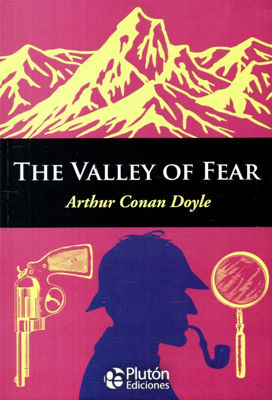
The Valley Of Fear / Arthur Conan Doyle
“The Valley of Fear” is the fourth and final novel starring Sherlock Holmes and John Watson, written by English author Sir Arthur Conan Doyle (1859-1930). Like all previous Sherlock Holmes stories, it was first published in serialized form between 1914 and 1915, and later in book form. A mysterious murder takes place and Holmes and Watson must use all their wits to piece the puzzle together. The novel makes use of all the usual story beats of a Sherlock Holmes adventure but goes even further, introducing new narrative structures and the character of Moriarty, who would become in time Holmes’ greatest adversary.
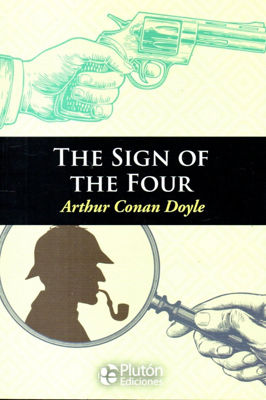
The Sign Of The Four / Arthur Conan Doyle
Written by English author Sir Arthur Conan Doyle (1859 -1930), “The Sign of the Four” is the second novel starring Sherlock Holmes and his inseparable partner, Dr. John Watson. This time, the crime-solving duo must find an exotic treasure from far away lands and put an end to the trail of murders the robbers leave in their wake. This novel, like every Holmes story in their longer forms, introduces new aspects of our main protagonists and various characters that will accompany Holmes and Watson in future adventures. “The Sign of the Four” was published in 1890, keeping the flame alive for more stories starring the world’s greatest detective.
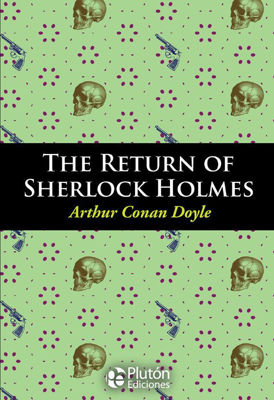
The Return Of Sherlock Holmes / Arthur Conan Doyle
“The Return of Sherlock Holmes” is a collection of 13 short stories starring the famous crime- solving duo of Sherlock Holmes and Dr. John Watson. The stories were individually published during 1903 and 1904 in The Strand Magazine in the United Kingdom and Collier’s in the United States. The events on this collection take place after Holmes’ apparent death in “The Final Problem”, the last story in “The Memoirs of Sherlock Holmes”, explaining his missing years and returning our hero to his adventures, furthering his reputation as the world’s greatest detective.
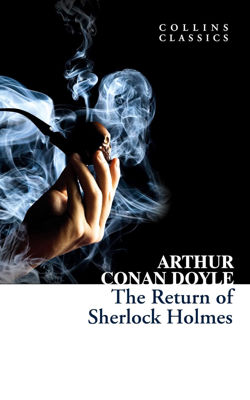
The Return of Sherlock Holmes / Arthur Conan Doyle
Originally published in 1903–1904, The Return of Sherlock Holmes is the thirteen-story collection of one of the greatest-ever fictional detectives. Three years after the supposed death of Sherlock Holmes and his archenemy Professor Moriarty in the torrent of Reichenbach Falls, Holmes makes a disguised reappearance to Baker Street and his good friend Dr Watson. Featuring one of Holmes’ greatest adversaries, Charles Augustus Milverton, as well as trademark astute logic, forensic science, murder, crytograms and magic, this collection retains all the hallmark brilliance of Arthur Conan Doyle’s best work.
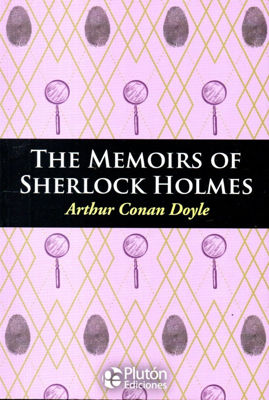
The Memoirs Of Sherlock Holmes / Arthur C. Doyle
“The Memoirs of Sherlock Holmes” is a collection of short stories written by Sir Arthur Conan Doyle, intended to be the last outing of Sherlock Holmes as a titular character. Conan Doyle wanted to focus in different literary genres and characters and presented eleven stories with a good assortment of situations for Holmes and Watson to shine in before their last bow as a crime solving duo. However, the retirement of the detective wouldn’t be too long as public demands for new Sherlock Holmes’ stories were overwhelming for the author who had no choice but to return to the character some years later.
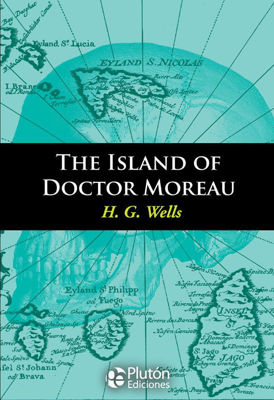
The Island Of Doctor Moreau / H Wells - Ed. En Ingles
“The Island of Doctor Moreau” is the third novel by English writer H. G. Wells (1866-1946). The story follows a man of science named Prendick rescued from a shipwrecked vessel in the Pacific Ocean. Prendick and the crew that saved him end up on a remote island owned by the mysterious Doctor Moreau. In time Prendick learns about the horrendous experiments of vivisection made by the mad Doctor and his efforts to turn animals into humans through science. “The Island of Doctor Moreau” remains to this day a pillar of early science fiction and a great example of how the actions and ideas of man define a literary genre that celebrates the best of us by showing us the worst we are capable of.
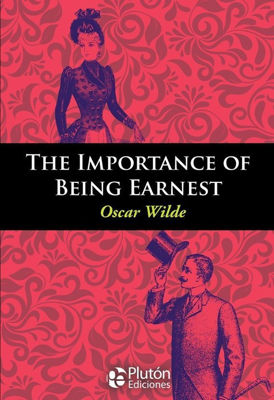
The Importance Of Being Earnest / Oscar Wilde
“The Importance of Being Earnest” is a comedic play, written by the celebrated Irish author Oscar Wilde (1854-1900). The play is a satirical representation of Victorian society and the lengths a group of friends would go to avoid social responsibilities and obligations. Wilde always had a way with words but “The Importance of Being Earnest” shows us an author on top of his game, where every witty remark was perfectly crafted, where every turn of phrase was just right and ripe with comedic timing. Among all of his plays, “The Importance of Being Earnest” remains a truly timeless classic and his most famous work for the stage.
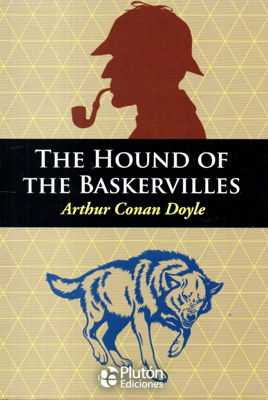
The Hound Of The Baskervilles / Arthur Conan Doyle
“The Hound of the Baskervilles” is the third novel featuring the duo of Sherlock Holmes and Dr. John Watson. A man dies in very mysterious circumstances and Sherlock Holmes is asked to investigate. The evidence suggests foul play and the involvement of a giant spectral hound, a curse that supposedly haunts the Baskervilles since long ago. What immediately follows is a story of family betrayal, relentless greed, manipulation and lies against the marvellous intellect and observational skills of the world’s greatest detective and his trusty companion. Conan Doyle wanted to stop writing about Holmes to pursue new genres, but the fame brought by his most famous creation made him return to 221B Baker Street time and time again.
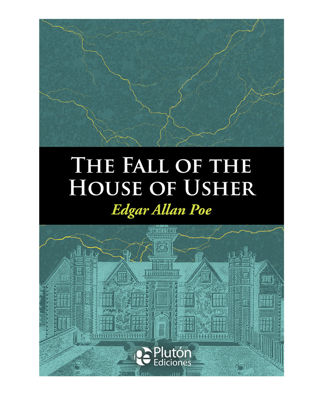
The Fall Of The House Of Usher And Other Stories / Edgar Allan Poe
Edgar Allan Poe (1809-1849) was an American writer and poet and one of the most dominant figures of Gothic Literature. He is widely recognized as a master of the short story form, but also delved into poetry, essays and literary criticism. His work often revolved around dark and macabre themes, using death and the human mind’s deepest fears to craft complex stories about a vast array of subjects. The Fall of the House of Usher is a psychological thriller that narrates the descent into oblivion of the last remaining survivors of an old family. The other stories part of this compilation also show us the strengths of Poe as an author, capable of crafting horror out of every aspect of the human experience.
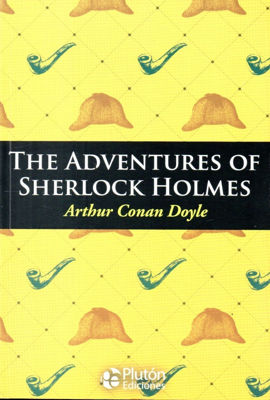
The Adventures Of Sherlock Holmes / Arthur C. Doyle
“The Adventures of Sherlock Holmes” is a collection of twelve stories of the crime-solving duo of Sherlock Holmes and John Watson written by Sir Arthur Conan Doyle (1859-1930). This collection is presented without particular order, and it was the first time Conan Doyle experimented with a short form of storytelling for Holmes, proving that the adventures of the famous detective and his inseparable companion retain their mystery and wonder even in this more concise way. This collection helped cement the fame of Sherlock Holmes as a literary character, providing an easier way for new readers to jump into new stories and adventures.

TEATRO COMPLETO / Antón Chéjov
Poco más de veinte años de escritura le valieron a Chéjov un lugar revolucionario en la historia del teatro occidental. La gaviota, Tío Vania, Las tres hermanas o El jardín de los cerezos, incluidas en este volumen junto al resto de su producción escénica, cambiaron los rumbos del realismo, abrieron las puertas a las principales poéticas del teatro moderno y sentaron las bases tanto de la expresión minimalista como de un realismo no naturalista que propició las mezclas con otras estéticas. Este tomo recupera la excelente traducción y prólogo preparados por la célebre pedagoga teatral Galina Tolmacheva. Se suma una traducción de Platónov, el “Don Juan” de Chéjov, primera pieza escrita por el dramaturgo. De lectura indispensable, el Teatro completo demostrará a los lectores que la revolución de Chéjov sigue aconteciendo en el presente. –Jorge Dubatti–
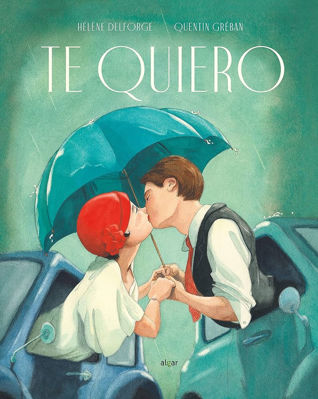
TE QUIERO / HÉLÈNE DELFORGE
Los álbumes ilustrados no son solo para los más pequeños. El amor. Un estado, una oportunidad, una sorpresa, un sentimiento, una sensación, una emoción. El amor se vive, el amor se dice, el amor se cuenta, el amor se comparte, el amor comienza, el amor acaba... a veces. Pero no siempre. Hay tantas clases de amor como enamoradas y enamorados.

TAO TE KING / LAO TSÉ
En un libro corto de 81 artículos. Con él se inicia como fuente histórica la doctrina Taoísta. El objetivo es aproximar al misterio del Tao a todo creyente taoísta que desee perfeccionarse pudiendo alcanzar el grado de hombre sabio.

Tao Te Ching / Lao Tse (Alma Ilustrados)
Pese a su aparente sencillez, el Tao Te Ching de Lao-Tse es uno de los libros más completos y exigentes que se han escrito. Es, además, la base del taoísmo, lo que lo convierte en uno de los textos de referencia de la historia del pensamiento mundial, que primero impregnó todo el pensamiento oriental y luego ha penetrado poco a poco en el occidental. Los conceptos de tao, te o wuwei son, pues, universales. Dejarse llevar por la sabiduría y la capacidad de sugerencia de estos aforismos es la mejor manera de reflexionar (con serenidad) acerca de nosotros y de nuestro lugar en el mundo.
